Collection Setup
How to Organize a Graded Card Collection
A practical system for organizing PSA slabs by set, grade, language, theme, value, and personal favorites.
May 27, 2026 · 8 min read
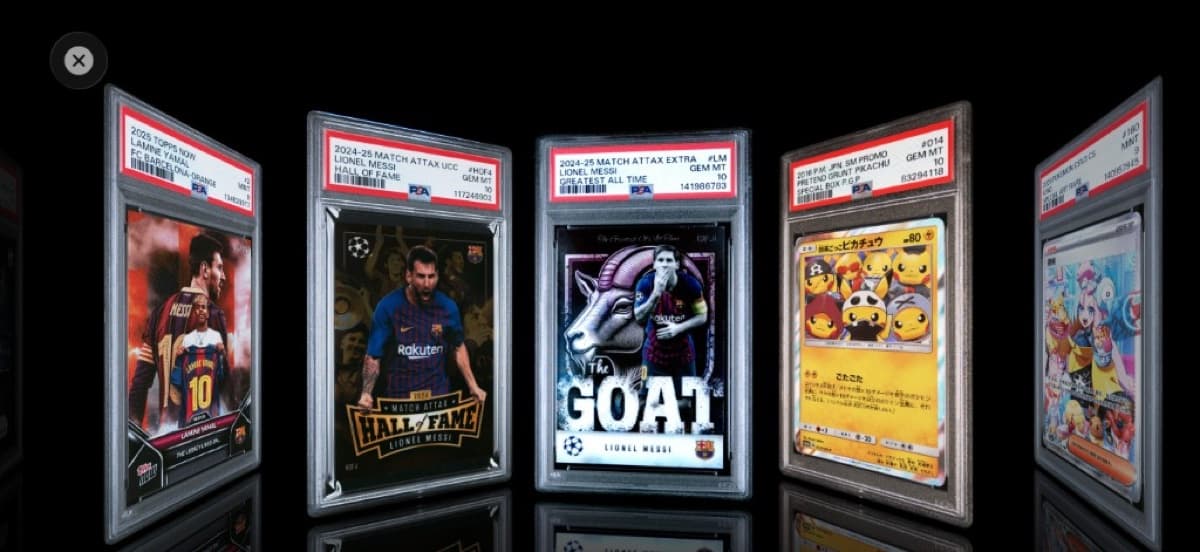
A graded card collection feels small until it suddenly does not. Ten slabs are easy to remember. Fifty slabs start to blur together.
The trick is not to create a perfect database. The trick is to create a system you will actually keep using.
Pick one primary system
Start with one main structure: by set, by character, by language, by grade, or by personal favorites. If you try to organize everything every way at once, you will stop updating it.
For Pokemon collectors, folders like Charizard, Pikachu, Japanese, PSA 10, or Childhood Favorites are often more useful than a rigid spreadsheet.
Add details only when they help
Useful details include cert number, grade, language, purchase date, and notes about why you bought the card. You do not need a dozen fields for every slab.
A simple note such as first Japanese PSA 10 or bought at card show is often enough to make the record meaningful later.
Make browsing enjoyable
Your collection should be easy to search, but it should also be fun to browse. A visual app makes that easier than a plain list of numbers.
Slabox gives your slabs a digital home with scan lookup, folders, widgets, and Cover Flow-style browsing when you want to enjoy the collection instead of managing it.
Start with the job your system must do
A good collection system answers practical questions quickly. Do I already own this card? Which PSA 10s are in my Pikachu folder? What did I pay for this slab? Which cards might need updated price checks? Which cards are safe to show publicly?
If your system cannot answer those questions, it is not really organized. If it asks for too much data every time you add a card, you will stop using it. The best system sits between a messy camera roll and an overbuilt database.
Use one primary folder logic
Most collectors get stuck because they want one card to live everywhere: by set, by character, by language, by grade, by value, and by emotional importance. That is understandable, but it becomes hard to maintain if every new slab requires ten decisions.
Choose one primary folder logic first. Pokemon collectors often start with character folders such as Pikachu, Charizard, Mewtwo, Rayquaza, Umbreon, and Trainers. Others prefer set folders, language folders, or grade folders like PSA 10 Goals and PSA 9 Keepers.
After the primary folder is clear, use notes or tags for the secondary details. A card can sit in a Charizard folder while the note records Japanese, PSA 10, bought at card show, or potential trade.
Record the minimum useful fields
You do not need every possible field for every slab. The minimum useful record usually includes card name, cert number, grade, language, set, purchase date, purchase cost, and a short note. For higher-value cards, add seller, condition observations, and current market reference.
Cert number matters because it anchors the exact slab. Language matters because price comps and collection goals change by version. Purchase cost matters because memory fades quickly, especially when you buy cards through shows, marketplace offers, trades, or group deals.
A short note often becomes the most meaningful field. First PSA 10, birthday pickup, traded duplicates for this, or favorite childhood artwork can explain why the card matters years later.
Separate permanent collection from trade inventory
If you buy, sell, or trade often, separate keepers from movable inventory. Mixing them together makes every review harder because emotional cards and liquid cards require different decisions.
A simple structure is enough: Personal Collection, Trade Box, For Sale, Watch Price, and Maybe Grade. Personal Collection is for cards you do not want to sell casually. Trade Box is for duplicates or cards that no longer fit. Watch Price is for cards where market movement may change your decision.
This separation also protects you from accidentally selling a card you meant to keep. When the collection grows, the difference between a duplicate and a memory can get blurry.
Organize by grade only when grade is the goal
Grade-based folders are useful when the grade itself drives the collection. PSA 10 Japanese Pikachu, PSA 9 vintage holos, or PSA 10 English SIRs are clear examples. But grade folders can become sterile if they hide the character, artwork, or set reason you bought the card.
For many collectors, grade works better as a filter than a primary folder. Keep the card in the character or set folder, then filter or search for PSA 10 when you need that view.
This is where a digital system helps more than a physical box. A physical slab can only sit in one row, but a digital record can be found by cert, grade, character, language, or note.
Review the collection on a schedule
Organization is not a one-time cleanup. Set a light review rhythm: monthly for active buyers, quarterly for casual collectors, or after every card show. The goal is to catch missing certs, update notes, and move cards into the right folders while the details are still fresh.
During a review, look for duplicates, cards with missing purchase cost, cards that no longer fit your goals, and cards that deserve better photos. You do not need to reprice everything every week.
A small review habit keeps the collection accurate without making the hobby feel like bookkeeping.
Use images to make the collection usable
A graded card collection is visual. If your records are only text, you will still end up scrolling through camera photos to remember which copy has the stronger eye appeal.
Save clear front images and, when useful, back images. For slabs, the label and card should be readable. For cards you may sell, a clean image record makes it easier to create listings later.
Slabox gives you a visual collection view so browsing feels closer to looking through the cards, not just managing rows of data. That matters because a system you enjoy is a system you keep using.
FAQ
Should I organize by set or character? Choose the view you search most often. If you think in characters, use character folders. If you build master sets, use set folders.
Do I need to track purchase price? Yes, at least for graded cards. It helps with resale decisions, insurance notes, and understanding your collection over time.
How often should I update values? Only as often as decisions require. High-value or tradeable cards need more attention than permanent personal cards.
Can I use both folders and notes? Yes. Folders keep the collection navigable; notes preserve the specific reason a card matters.