Pokemon TCG Guide
Japanese, Chinese, or English Pokemon Cards?
Compare Japanese, English, Traditional Chinese, and Simplified Chinese Pokemon cards by version, pricing, and collection goals.
May 23, 2026 · 8 min read
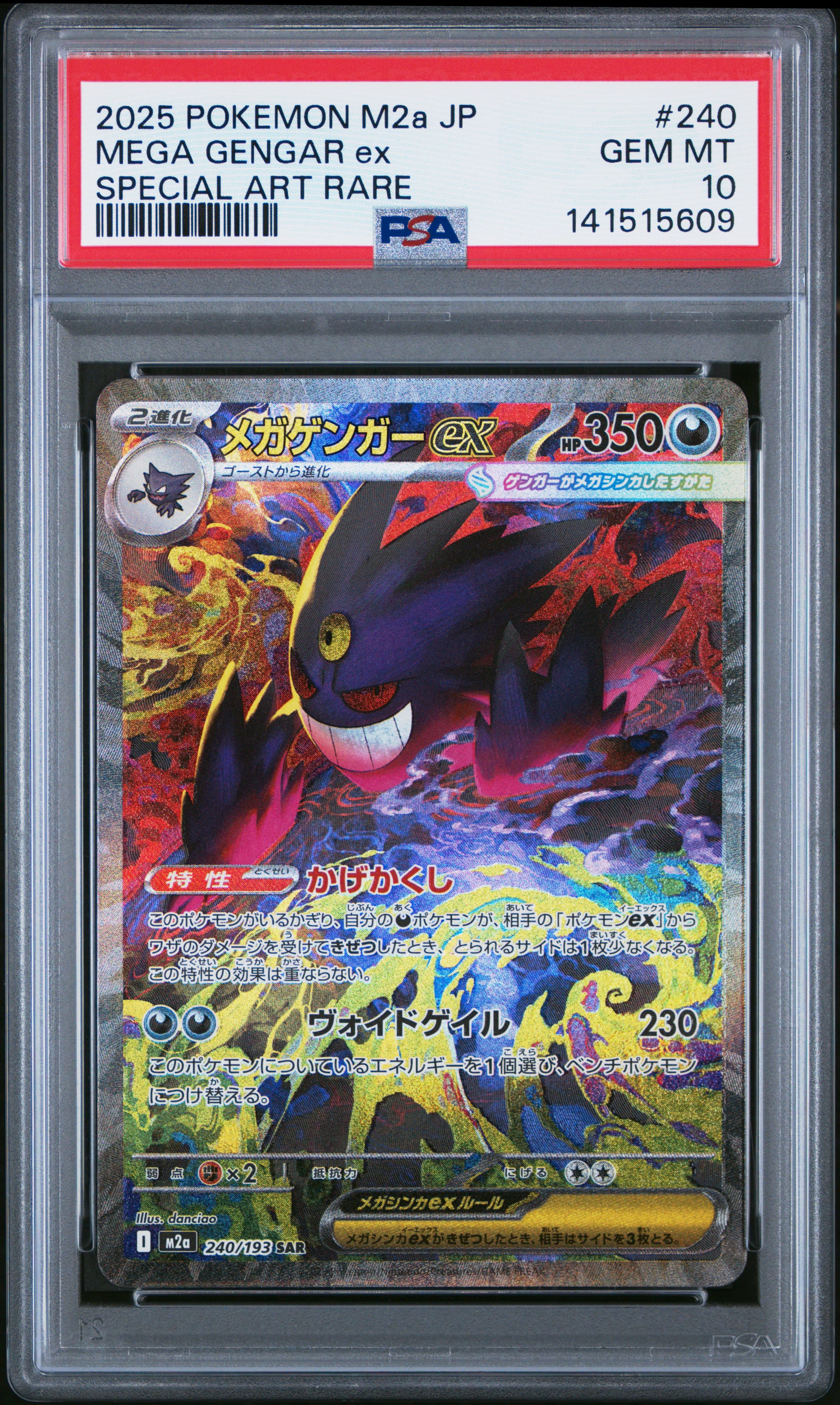
When you first start collecting Pokemon cards, the character, artwork, and price usually get all the attention. After a while, the version starts to matter too.
The same card can exist in Japanese, Traditional Chinese, Simplified Chinese, and English. The artwork may look similar, but the language, product format, release region, collector demand, and grading context can all be different.
Start with the box format
Japanese booster boxes are usually 30 packs with 5 cards per pack. Traditional Chinese and Simplified Chinese products often follow a similar 30-pack, 5-card format. English booster boxes are commonly 36 packs with 10 cards per pack.
That means you should not compare versions only by box price. One version may have fewer cards per pack but stronger grading demand. Another may offer a bigger opening experience and more familiar pricing data.
How collectors usually choose
Japanese cards are often chosen for print quality and grading culture. Traditional Chinese and Simplified Chinese cards are interesting if you collect Asian-language releases. English cards have the largest visible resale market and plenty of pricing references.
There is no single correct version. The better question is: why do you want this card, and can you keep your collection clear enough to enjoy it later?
Track the version as part of the card
If you collect multiple versions of the same artwork, write the language into your folder structure or notes. A PSA 10 Japanese card and a PSA 10 English card may feel similar on a shelf, but they behave differently in the market.
Slabox makes that easier by letting you scan PSA slabs, save the card details, and organize cards by set, language, grade, or whatever system fits your collection.
Language is part of the collecting identity
For Pokemon cards, language is not just a translation layer. It can change release timing, product format, card naming, collector demand, and how easy it is to find reliable price comps. A Japanese SAR, an English SIR, a Traditional Chinese release, and a Simplified Chinese release may share artwork, but collectors often treat them as different collecting lanes.
That is why serious collectors usually record the language version as part of the card identity. If you only write Charizard PSA 10, you may lose the detail that actually explains why one copy belongs in a Japanese binder run and another belongs in an English master set.
Japanese Pokemon cards
Japanese Pokemon cards are popular with collectors who care about original release timing, print finish, and the culture around Japanese sealed products. Many major artworks appear first in Japan, which means Japanese cards often shape early collector demand before English versions arrive.
Japanese booster boxes commonly use smaller packs and fewer cards per pack than English booster boxes, so the opening experience feels different. Collectors often compare Japanese boxes by hit structure, artwork, set identity, and sealed availability rather than by pack count alone.
For grading, Japanese modern cards have a reputation for strong print quality, but that does not mean every card is a PSA 10 candidate. Centering, corners, surface marks, and handling still matter. A clean Japanese card can be attractive to grade, but it should still be inspected like any other raw card.
English Pokemon cards
English Pokemon cards usually have the widest visible resale market for collectors in the United States and many international marketplaces. That can make sold listings, population data, and price history easier to research, especially for high-demand modern chase cards and vintage WOTC-era cards.
English booster boxes are commonly associated with 36 packs and larger pack contents than Japanese boxes. That makes the sealed product feel different: more cards, more bulk, more code cards in modern products, and a broader casual opening experience.
If you are buying for resale liquidity, English is often easier to explain to a broad buyer pool. If you are buying for artwork, language preference, or original release context, Japanese or Chinese versions may be more satisfying. The best version depends on your goal.
Traditional and Simplified Chinese cards
Traditional Chinese and Simplified Chinese Pokemon cards have become more visible as collectors pay closer attention to regional releases. These versions can be appealing because they combine familiar artwork with language identity, regional product history, and sometimes different release pacing from Japan or English markets.
For collectors who read Chinese, these cards can feel more personal than English or Japanese copies. For language-run collectors, they are also useful because they let you build a set of the same artwork across multiple official versions.
Market data may be thinner than English and Japanese data, so you should be more careful with pricing. Look for exact language, exact card number, grade, and recent sold history instead of assuming every version of an artwork should price the same.
How to choose the right version
Start with your collecting reason. If you want the earliest version of an artwork, Japanese may be the natural choice. If you want the most liquid market and the easiest comps, English may be better. If you want a language connection or a regional collection, Traditional Chinese or Simplified Chinese can be more meaningful.
Then look at your budget and storage plan. Some collectors like one PSA 10 copy of a favorite artwork in any language. Others want language runs, sealed boxes, master sets, or only cards from one region. Each strategy creates a different buying list.
The mistake is switching strategies every week. Version collecting becomes easier when you write down your rule: English only, Japanese first, all languages for favorite Pikachu cards, PSA 10 only, raw binder copies only, or one graded copy plus one raw copy to enjoy.
How language affects price comparisons
Do not compare versions only by the name on the card. A Japanese PSA 10 and an English PSA 10 can have different population counts, different buyer pools, different release timing, and different sealed product supply. A Traditional Chinese or Simplified Chinese copy may have fewer visible comps, which can make price discovery slower.
When you research a card, filter by exact language and grade first. If there are not enough sold listings, then widen the comparison carefully: same artwork, same rarity tier, same era, similar population, and similar collector demand.
This is especially important for high-value cards. A small language mismatch can turn a good comp into a misleading comp.
A simple Slabox organization system
If you collect multiple languages, create folders that match the way you think. Some collectors prefer Japanese, English, Chinese, and Mixed Language Runs. Others prefer Charizard, Pikachu, Eeveelutions, Trainers, and Sealed Goals, then use notes to record language.
For graded cards, save the cert number, grade, language, set, purchase price, and why you bought the card. For raw cards, save photos and a condition note. That gives you enough structure without turning the hobby into spreadsheet work.
Slabox helps by keeping the card image, slab details, population context, and folders together. When you later ask whether you already own the Japanese version or only the English copy, you should not need to search through screenshots and receipts.
FAQ
Are Japanese Pokemon cards always better quality? Many collectors like Japanese print quality, especially for modern cards, but every individual card still needs condition review before grading.
Are English cards better for resale? Often they are easier to comp in English-speaking markets, but demand depends on the specific card, grade, era, and buyer pool.
Should I collect every language of a favorite card? Only if the language run itself makes the collection more enjoyable. If it turns into pressure, choose the version you actually like most.
Should I separate languages in my digital collection? Yes. Language is important enough to record because it affects search, value comparisons, and how you understand your collection later.