Pop Data
Reading PSA Pop Data: Total Pop, Pop Higher & Grade Distribution
PSA population reports explained: how to read total pop, pop higher, and grade distribution. A practical guide to understanding PSA pop data context for collectors.
May 25, 2026 · 9 min read
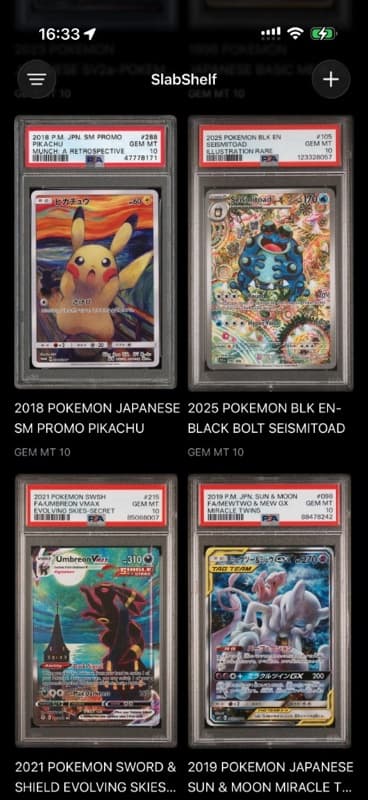
PSA population data is one of the first numbers collectors check after the grade. It tells you how many examples PSA has graded for a card and how that population is distributed across grades.
Pop data is useful because it adds supply context. It can show whether a PSA 10 is common, whether a PSA 9 has many copies above it, or whether a vintage card is genuinely hard to find in high grade. But population data is not a price formula. To use it well, you need to read the number with demand, condition, era, language, and grading behavior in mind.
What population means
Total pop is the number of copies PSA has graded for that card or cert specification. Pop higher tells you how many received a better grade than yours.
For example, a PSA 9 with a small pop higher can feel different from a PSA 9 where thousands of PSA 10s already exist.
Why low pop is not always rare
Some cards have low population because they are genuinely scarce. Others are low pop because few people have bothered to grade them.
That is why pop data works best alongside demand, set popularity, card condition, and the broader collector base.
How to use pop data in your collection
Use pop data to understand your card, not to force a value. It can help you decide which slabs feel special, which ones deserve a folder, and which ones you want to show off.
Slabox keeps pop data next to the card record, so you do not have to jump between notes, screenshots, and browser tabs.
Total pop is graded supply, not total supply
A PSA population report is PSA's count of items it has graded for a specific card or collectible entry. For a trading card, the report usually breaks the population down by grade, so collectors can see how many copies received PSA 10, PSA 9, PSA 8, and lower grades.
Total pop is not the same as the number of copies that exist in the world. Raw copies, sealed copies, cards graded by other companies, unsubmitted collections, and cards recorded under a different listing are outside that number. Population data is a view into PSA's graded supply, not the full print run.
Pop higher changes how a grade feels
Pop higher is the number of copies graded above the grade you are viewing. If you own a PSA 9 and the pop higher is 120, that means PSA has recorded 120 copies in higher grades, usually PSA 10 for modern cards.
This is why two PSA 9 cards can feel very different. A PSA 9 with pop higher of 5 may sit close to the top of the graded supply. A PSA 9 with pop higher of 5,000 is still a strong grade, but buyers can choose from many PSA 10 copies above it.
For PSA 10 cards, pop higher is normally zero because PSA 10 is the top numeric card grade. That does not automatically make every PSA 10 rare. You still need to look at total PSA 10 population and demand.
Grade distribution matters more than one number
Instead of looking only at total pop, read the distribution. A modern card with 10,000 graded copies and 7,000 PSA 10s behaves differently from a vintage holo with 10,000 graded copies and only a small fraction in PSA 10.
Grade distribution tells you whether the card is easy or difficult to grade at the top. Modern cards often survive in strong condition, while vintage cards may show whitening, print lines, scratches, centering problems, or binder wear.
For Pokemon collectors, distribution also helps compare languages and eras. Japanese modern cards, English modern cards, vintage WOTC holos, promos, and regional releases can all have different submission patterns and condition profiles.
Demand changes the meaning of pop data
Population is only the supply side. Demand decides whether that supply matters. A pop 50 card with weak demand may sit unsold for a long time. A pop 5,000 card with massive character demand may still trade actively because many collectors want it.
Characters like Charizard, Pikachu, Umbreon, Rayquaza, Mewtwo, and Eevee evolutions often behave differently from low-demand cards with similar population numbers. Set importance, artwork popularity, competitive history, nostalgia, and social attention can all change how collectors interpret supply.
That is why pop data should be read next to sold listings, current asking prices, liquidity, and the number of serious buyers. Scarcity without demand is not the same thing as value.
New cards need extra caution
Population data for new releases can change quickly. A card may look scarce during the first few weeks because only early submissions have returned. As more bulk submissions, store submissions, and delayed grading orders come back, the PSA 10 population can expand sharply.
If you buy a new PSA 10 only because the current pop is low, you may be paying for a temporary data gap rather than lasting scarcity. This is common around hot Pokemon releases, new SIR chase cards, anniversary products, and promo cards that attract fast grading.
For new cards, watch the population trend over time. A low number today is interesting, but the rate of growth may matter more than the number itself.
Older cards need condition context
Vintage and older Pokemon cards require a different reading. Low high-grade population may reflect real condition difficulty: off-centering, edge whitening, holo scratches, print lines, binder wear, or factory issues. In those cases, a PSA 9 or PSA 10 can be meaningfully harder to find than the raw supply suggests.
Even then, do not skip demand. Some vintage cards are condition-sensitive but not especially liquid. Others have deep buyer pools because they sit at the intersection of nostalgia, iconic artwork, character demand, and registry collecting.
For older cards, compare the PSA 10 count, PSA 9 count, total graded count, recent sold prices, and how often copies appear for sale. The best pop reads combine scarcity and actual market activity.
How to use pop data before buying
Start with the exact card. Confirm language, set, card number, variant, stamp, holo treatment, and grade. Then check total pop and grade distribution. After that, compare recent sold listings for the same version and grade instead of relying on broad character comps.
A useful buying question is: what am I paying for? You might be paying for top-grade scarcity, a favorite artwork, an iconic character, registry pressure, or simply the convenience of owning a clean graded copy. Pop data helps clarify that reason, but it should not replace it.
If the seller is using low pop as the main sales pitch, slow down. Low pop is strongest when paired with clear demand, slow population growth, condition difficulty, and real comparable sales.
Common pop data mistakes
The first mistake is treating low pop as automatic value. The second is comparing population across different versions as if they were identical. Japanese, English, Traditional Chinese, Simplified Chinese, promo, stamped, reverse holo, and special art versions can each have separate collector demand.
The third mistake is ignoring timing. A newly released PSA 10 with pop 20 may become pop 2,000 after several grading cycles. The fourth mistake is forgetting liquidity. A rare card that never sells is hard to price confidently.
The best approach is simple: use pop data as a lens, not a verdict. It should help you ask better questions about supply, demand, condition, and timing.
FAQ: Population & Pop Reports
What does PSA pop mean? PSA pop (or population) is the total count of cards PSA has graded for a specific card listing. It shows you graded supply, not total print run or raw supply.
What is a PSA pop report? A PSA pop report shows how many copies of a card PSA has graded, broken down by grade (PSA 10, PSA 9, PSA 8, etc.). You can look up pop reports on PSA's website or through tools like Slabox.
How do I read a pop report? Start with total pop to see graded volume, then check the PSA 10 count and pop higher. Compare those numbers to recent sold listings and demand for that card. High pop with high demand is different from high pop with low interest.
What is pop higher? Pop higher is the count of copies graded above your card's grade. If you own a PSA 9 and pop higher is 200, that means 200 copies exist in PSA 10 or better.
Does low pop mean a card is rare? Not always. It may mean the card is scarce, but it may also mean collectors have not submitted many copies to PSA.
Is PSA 10 always better than PSA 9? It is the higher grade, but the price gap depends on population, demand, condition sensitivity, and buyer preference. Some PSA 9 cards are more liquid than obscure PSA 10s.
Can population data change? Yes. PSA population reports update as more cards are graded and entered into the database.
How does Slabox help with pop data? Slabox automatically fetches PSA pop data when you scan or save a cert number, so you can see total pop, grade distribution, and pop higher right next to your card record. No need to jump between tabs or take screenshots.